
Tag: Real Estate Development
-

Interest Rate Cuts: What CRE Developers Should Know
Analyzing the impact on construction starts and project viability.
-

Tech Adoption: A Game-Changer for Data Center Developers
How tech adoption and AI is reshaping data center development.
-

Why Every Real Estate Developer Should Pursue Fit-for-Purpose Design
Commercial real estate developers are known to pursue new projects based on community demographics and demand trends. When there’s a low apartment or vacancy rate in a community with rising rents, it’s generally agreed that the market can absorb a new apartment community, for example. While the actual analysis is a little more complex than…
-

Going Green: How All-Electric Buildings Are Changing the Conversation
Commercial real estate developers are voraciously pursuing sustainable construction practices. From publishing aggressive ESG targets to building to green certifications, there have been a number of ways that developers can reduce the carbon footprint of a commercial property. Now, innovative developers are going one step further to ensure the carbon neutrality—or even negativity—of a new…
-
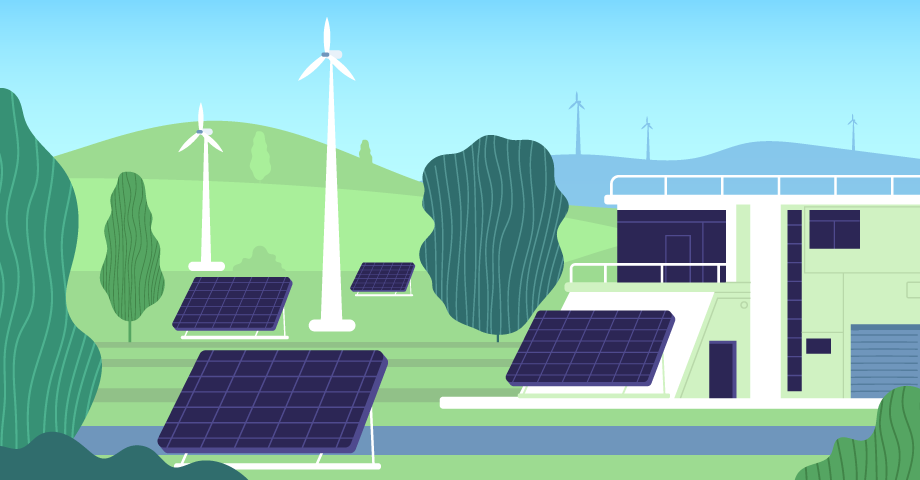
Adapting to Weather Changes With Climate Resilient Infrastructure
Extreme weather is increasing in frequency and severity as the impact of climate change becomes more apparent. Natural disasters and severe weather events will have an economic impact across industries, and commercial real estate development is no exception. Looking toward the future, your firm should prioritize climate resiliency, whether that means disaster-proofing existing properties or…
-

Office-to-Apartment Conversion: Can Developers Make It Work?
Commercial real estate developers are well aware of the national housing shortage. To meet current demand, the nation needs to add 4 million to 5 million new homes. Housing development is at the epicenter of the problem. The construction rate began to slow in 2000. By 2020, 5.5 million fewer homes were delivered compared to…
-

The Developer’s Guide to C PACE Financing
High interest rates and economic uncertainty are making it more difficult for your team to secure capital and get complex projects off the ground. Firms like yours are turning to alternative financing sources to round out their capital stack, from government programs such as Low-Income Housing Tax Credits (LIHTC) or Transit-Oriented Community Incentives to green…
-
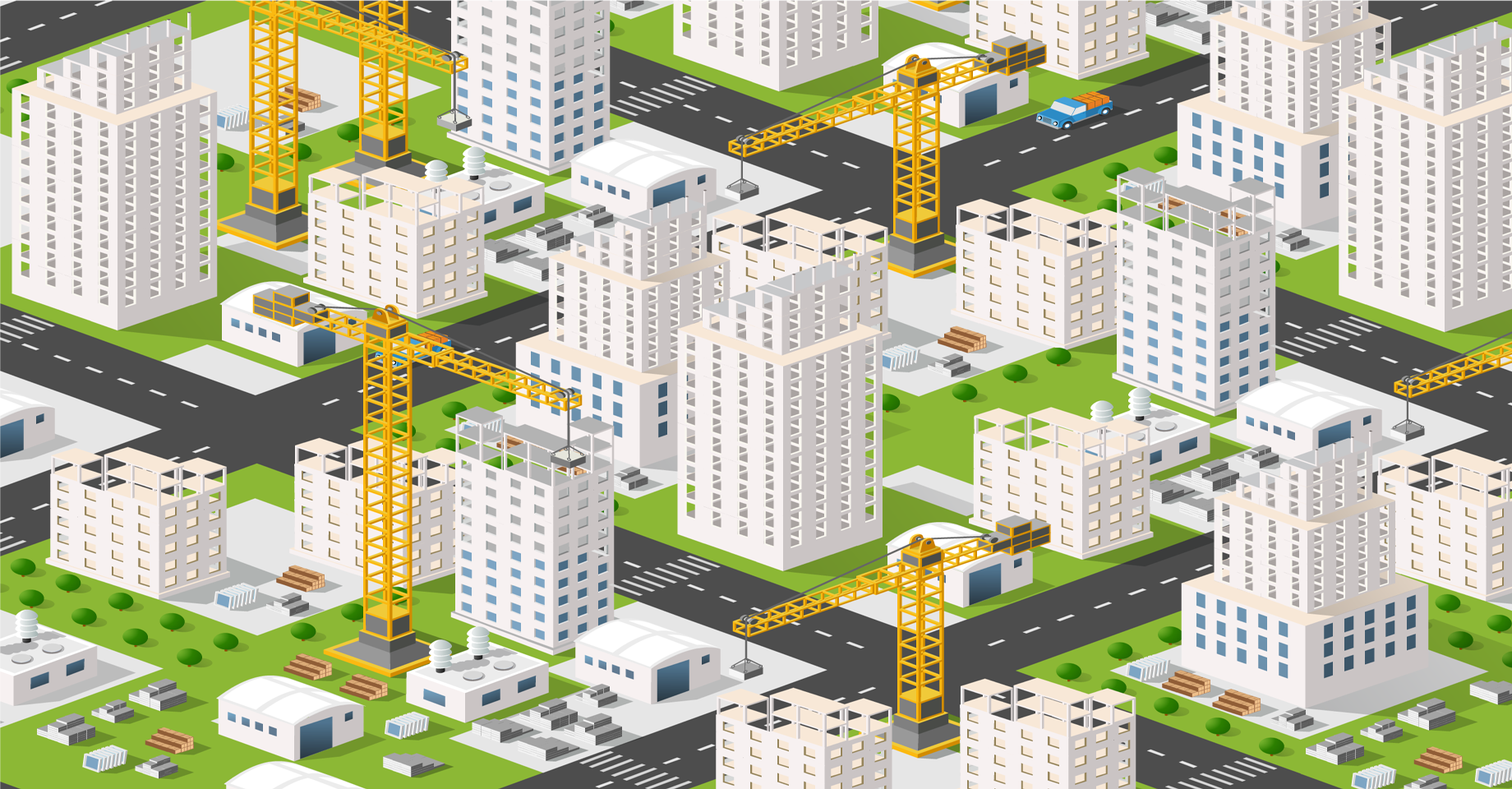
Developers Gain Optimism: What It Means for New Construction Activity
You might feel like every successful developer has a crystal ball with the ability to peek two or three years into the future and understand what a community will need. In reality, of course, there is no crystal ball. Instead, there are metrics and data (and a little bit of luck) to forecast trends that…
-

Top Trends in Sustainable Construction for Multifamily Housing
Developers are increasingly turning to sustainable construction practices as government regulations around carbon emissions become stricter, demand for eco-friendly features increases among consumers, and technological innovation reduces the cost of materials. Initiatives such as Environmental, Social, and Governance (ESG) goals, as well as LEED certification and Energy Star ratings, are also incentivizing sustainable building practices.…